


Audrey Hepburn’s Lifelong Trauma from Growing Up in Nazi-Occupied Netherlands Led Her to Turn Down a High-Profile Role
Audrey Hepburn’s Lifelong Trauma from Growing Up in Nazi-Occupied Netherlands Led Her to Turn Down a High-Profile Role

Angela AndaloroSat, August 1, 2026 at 6:59 PM UTC
0
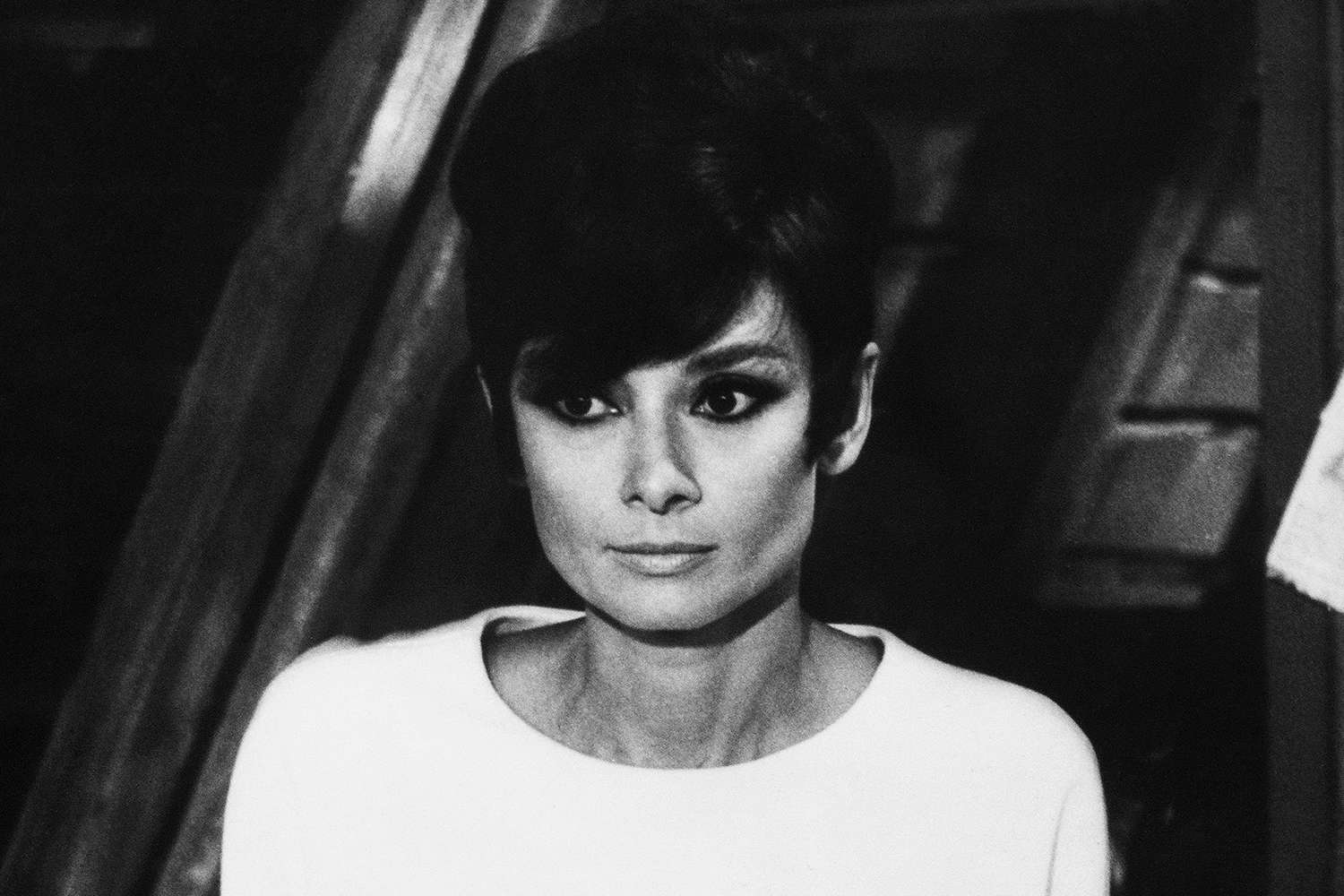
Audrey Hepburn in 1966Credit: Keystone-France/Gamma-Keystone via Getty -
Audrey Hepburn was living in the Netherlands and studying ballet when the Nazis moved in amid the action of World War II
The teenager, who had not yet skyrocketed to fame, feared for her life as she witnessed atrocities, according to her son Sean Hepburn Ferrer and author Wendy Holden
The two look back at how those moments stayed with the actress for life in their biography, Intimate Audrey
Audrey Hepburn‘s childhood experiences had a profound impact on her life.
Sean Hepburn Ferrer, the elder of Hepburn’s two sons, and co-author Wendy Holden look back at the late actress’ journey to stardom inIntimate Audrey: An Authorized Biography, detailing Hepburn’s experiences as a teenager living in the Netherlands during World War II.
Not only did she nearly die of starvation, but she also bore witness as people disappeared from her neighborhood and her life.
The book quotes the late actress, who once remarked, “It was the worst kind of horror... I saw families with little children, with babies, herded into meat wagons — trains of big wooden vans with just a little slit open at the top and all those faces peering out at you. And on the platform were soldiers herding more Jewish families with their poor little bundles and small children.”
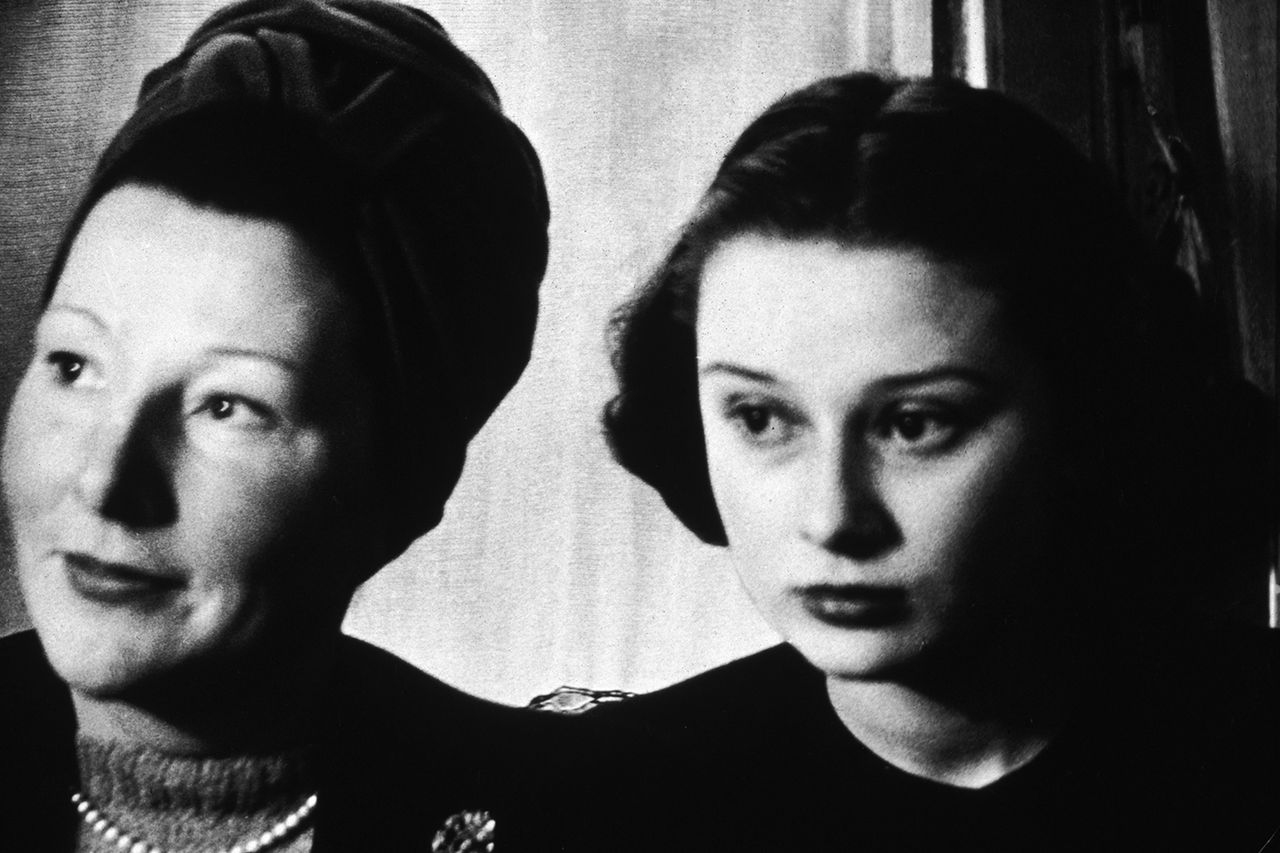
Audrey Hepburn and her mother, Dutch baroness Ella Van Deemstra (1946)Credit: Hulton Archive/Getty
Hepburn’s mother would tell her they were going to “special camps,” but Hepburn knew it wasn’t a positive. One memory stayed with her of a little girl in a bright red coat getting onto the train with her parents.
The moment is one that Hepburn would share years later, in conversation with Steven Spielberg while working on her final film, 1989’s Always. Years later, Spielberg recreated the memory in Schindler’s List, which was released nine months after her death at the age of 63 to colon cancer in 1993.
According to the book, Hepburn also took time to hear the stories of others, even when it was personally difficult for her. In 1946, while living in Amsterdam, a neighbor, who was an editor at a publishing house, offered a then-17-year-old Hepburn the first draft of a book about another teenage girl. It was, at the time, called The Secret Annex and was later renamed The Diary of a Young Girl by Anne Frank.
No one could have known what an emotional experience reading Frank’s diary would have on Hepburn, but it was profound. She cried for days, to the dismay of her mother, who didn’t understand how much she identified with the author. The My Fair Lady actress would later tell Hepburn Ferrer of the book, “She wrote about everything I experienced and felt.”
Advertisement
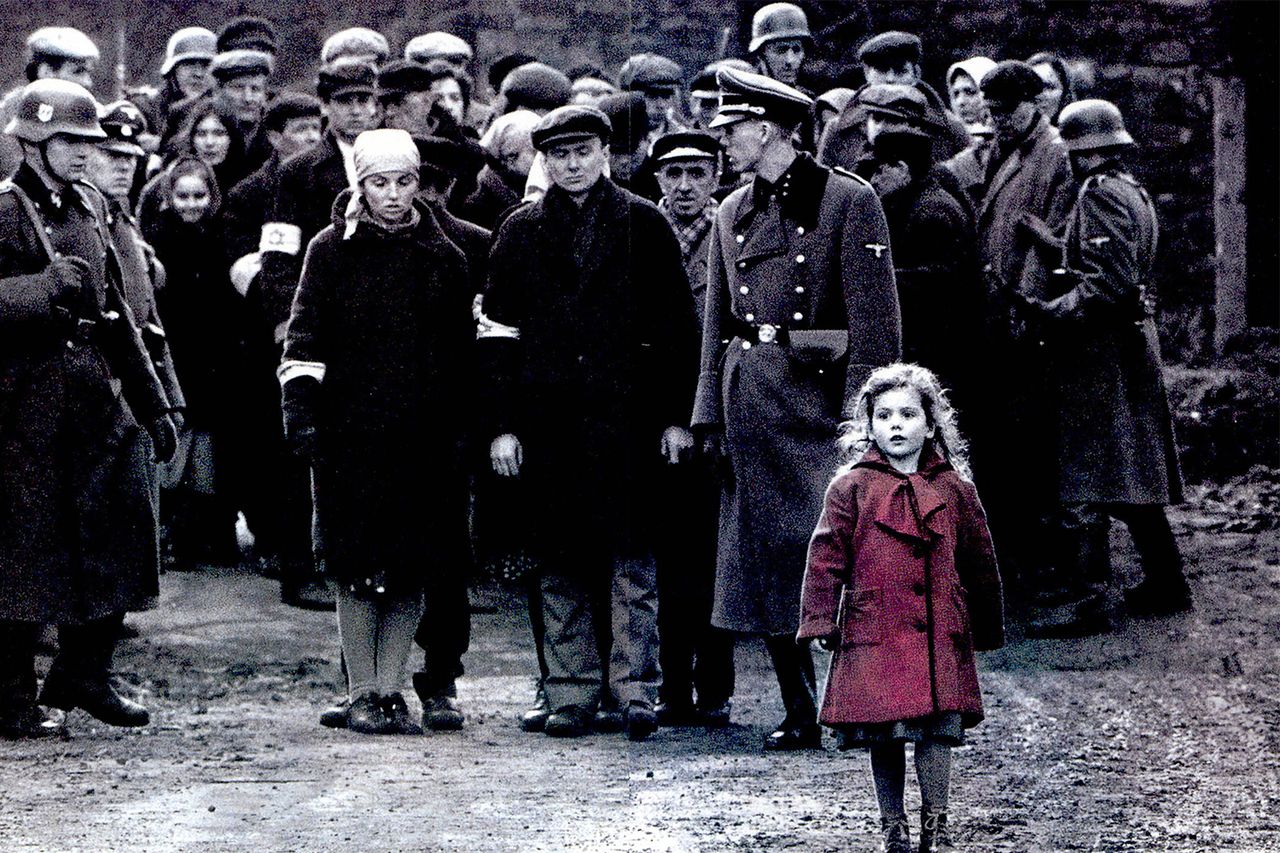
Little girl with the red coat in ‘Schindler’s List’Credit: Moviestore/Shutterstock
She continued, “Like me, she lost her freedom and spent years staring at four walls, feeling wretched with very little to do. Everything she wrote about nature and life and love was all that I experienced. She even reported on the shooting of innocent hostages, including my uncle Otto. It was like having the way played back to me.”
The Diary of a Young Girl was published in 1947. The first English edition of the book was released in 1952, just as Hepburn was preparing to film her first big movie, Roman Holiday, which came out the following year.
When Hollywood executives began to talk of making Frank’s diary into a film, director George Stevens and the team at 20th Century Fox thought of Hepburn, who instinctively felt she wouldn’t be able to handle the role but agreed to re-read the book anyway.
— sign up for PEOPLE’s free daily newsletter to stay up-to-date on the best of what PEOPLE has to offer, from celebrity news to compelling human interest stories.
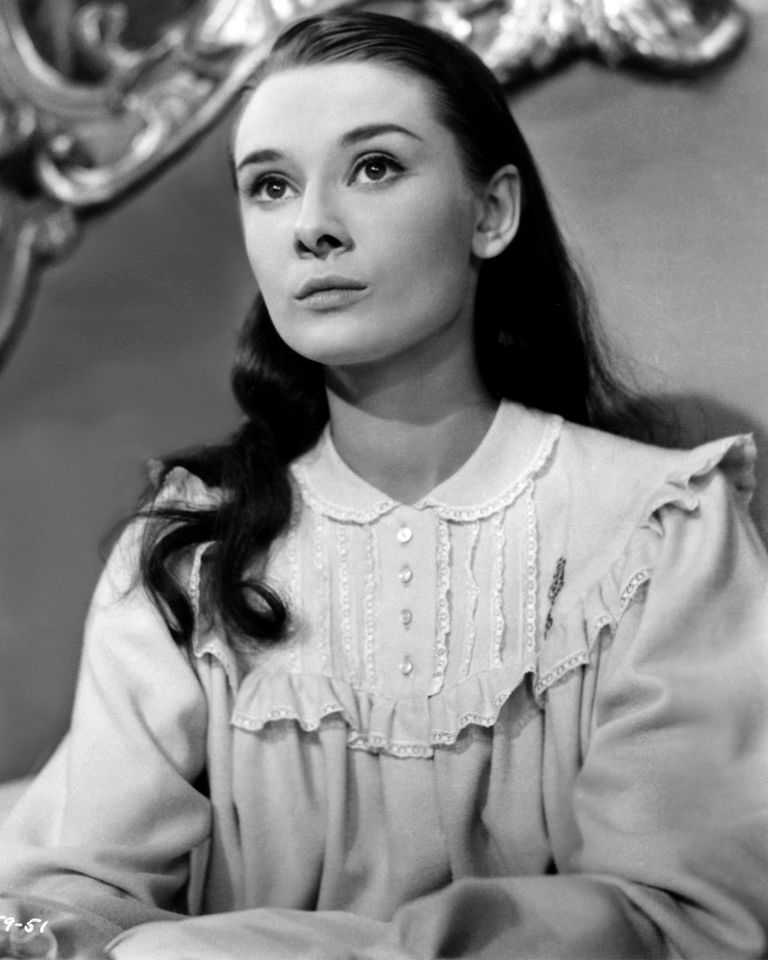
Audrey Hepburn on the set of ‘Roman Holiday’Credit: Sunset Boulevard/Corbis via Getty
Hepburn kept her word but found she was “quite destroyed by it again,” finding herself in hysterics for days, not only from the story, but the recurring nightmares that followed from that time in her life.
While she passed on the role, which ultimately went to Millie Perkins, Hepburn would draw inspiration from Frank’s words for the rest of her life, often quoting the German diarist in her work with UNICEF.
The humanitarian once told her son, “War left me with a deep knowledge of human suffering, which I expect many other young people never know about. The things I saw during the occupation made me very realistic about life, and I’ve been that way ever since.”
Intimate Audrey: An Authorized Biographyis now available, wherever books are sold.
on People
Source: “AOL Entertainment”
