


Dominic Sessa on the hellraising that led him to playing Anthony Bourdain: ‘The cops were not too fond of us’
Dominic Sessa on the hellraising that led him to playing Anthony Bourdain: ‘The cops were not too fond of us’

Adam White Sat, August 15, 2026 at 7:22 AM UTC
0
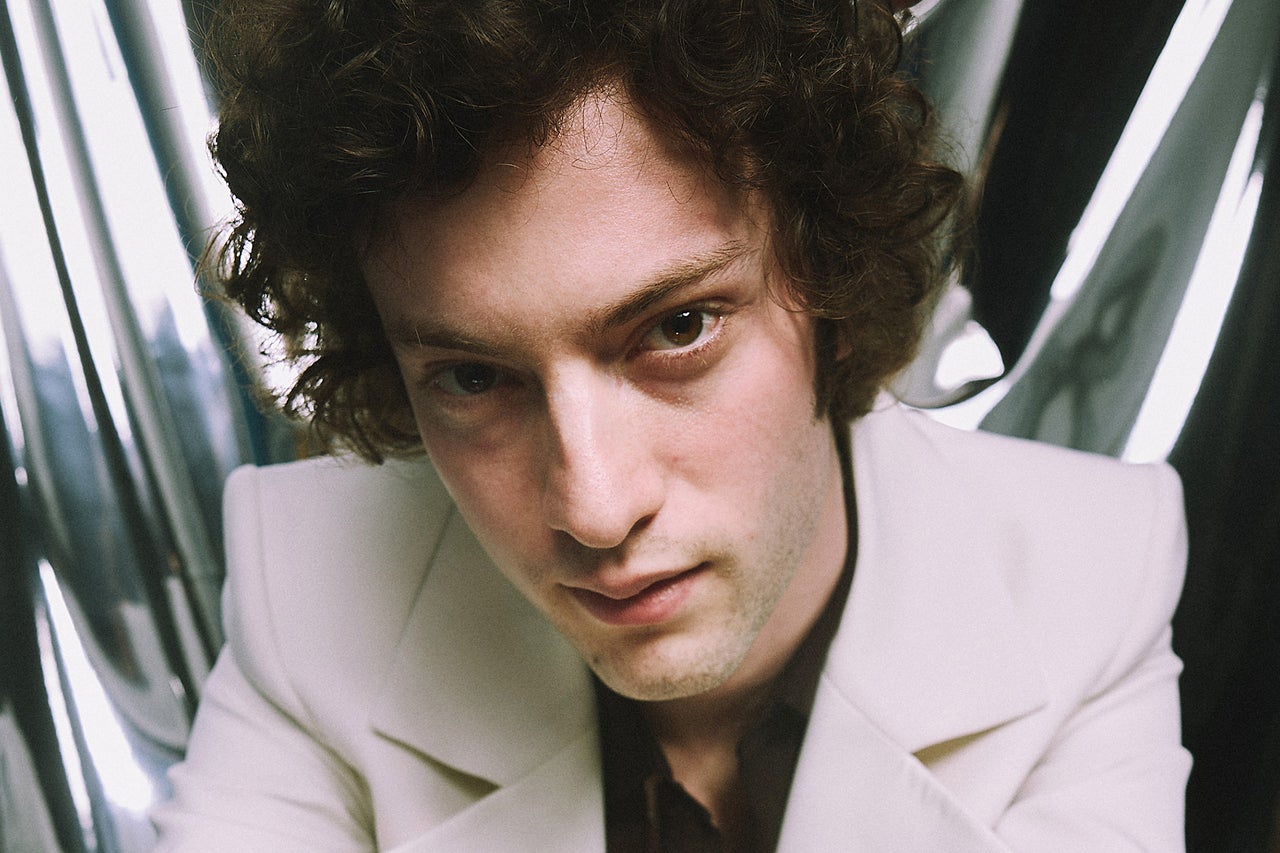
We know what Anthony Bourdain became. We know his travel shows and his butch foodie magnetism. We know that his brusque yet vaguely proselytising quotes have become the equivalent of a Che Guevara T-shirt for gastropub walls. But his beginnings are less clear, if once summed up by Bourdain himself with trademark crackle: “I treated the world as my ashtray. I spent most of my waking hours drinking, smoking pot, scheming and doing my best to amuse, outrage, impress and penetrate anyone silly enough to find me entertaining. I was – to be frank – a spoiled, miserable, narcissistic, self-destructive and thoughtless young lout, badly in need of a good ass-kicking.”
He was, for want of a more succinct term, sort of a f***-up. So when you’re in need of a guy to play said f***-up in a film about his life, it helps to find someone who’s been there and done that. Enter Dominic Sessa: star of the bittersweet Christmas comedy The Holdovers, a Bafta nominee, and the most polite and well-behaved former f***-up you could possibly ask for.
“Growing up, my only concerns were when I was gonna nap, how my friends and I were gonna get alcohol, how we were gonna get the fake IDs we needed to buy alcohol, and what part of the beach we were gonna drink it on,” Sessa laughs, 23 going on 60, with the Almost Famous curls and rotary phone face to prove it. Sessa’s hellion years were less than a decade ago – quite annoyingly, he wasn’t even alive when 9/11 happened – but he makes them sound positively sepia-toned. He grew up an adolescent beach bum just outside Atlantic City, New Jersey: a kind of rinky-dink Vegas full of rundown casinos where he’d play table games with his buddies and swear, officer, that he was of legal age. “The cops were not too fond of us,” he jokes.
His history as a hellraiser is more or less all he had in common with Anthony Bourdain when he was approached to play him in Tony. He knew only his name, and little of his life. He was sceptical about a biopic. “I didn’t feel like it was something I could do, or was comfortable doing,” he says. But Tony, from director Matt Johnson, isn’t your average biopic. It doesn’t chart the highs and lows of Bourdain’s entire life story, but instead a single summer he spent in Provincetown, Massachusetts, in 1975, where his love of culinary excellence first came into view. It’s an aperitif, if you will, with Bourdain depicted as a bright if insecure 19-year-old harbouring dreams of writing a bestseller. He pretends to be enrolled in an elite creative writing programme while, in fact, working as a dishwasher at a crumbling beachfront restaurant.
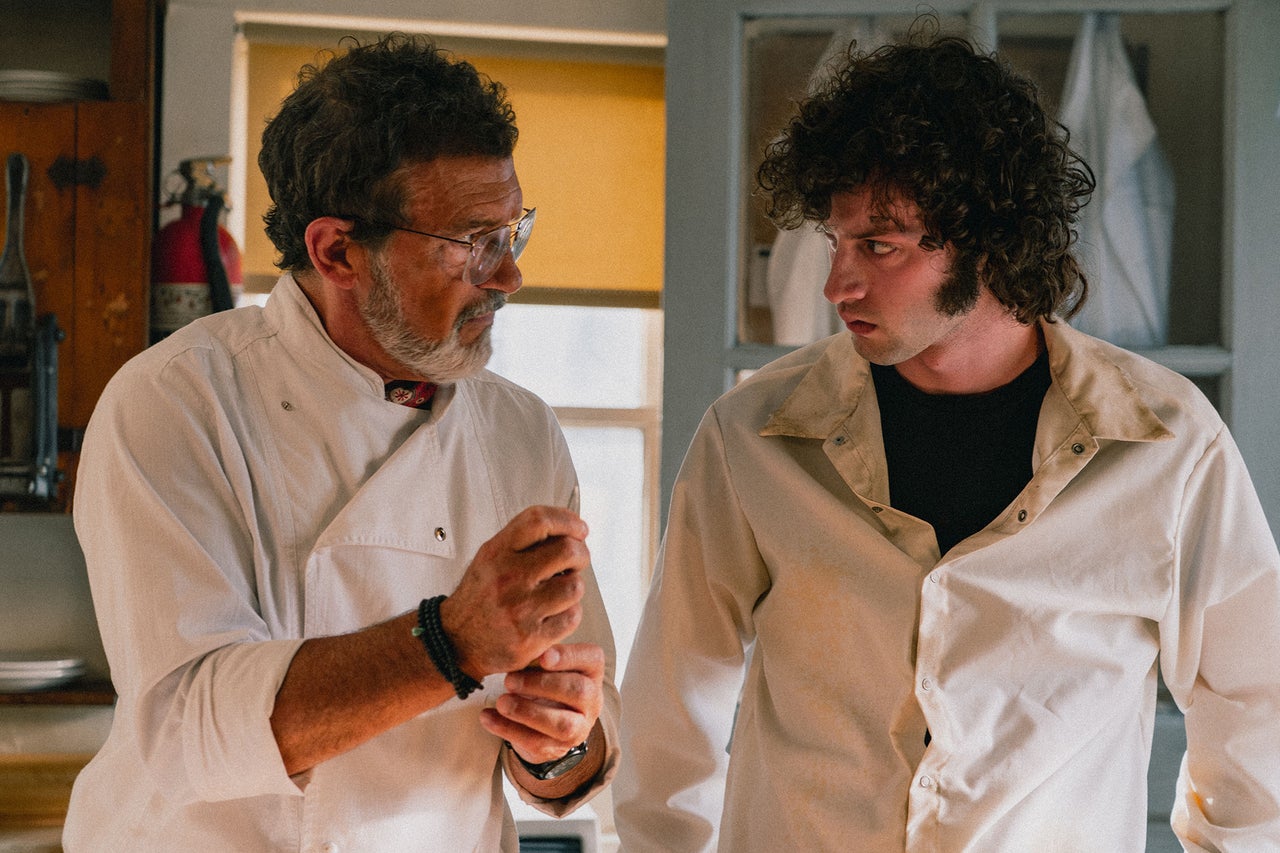
Mentor and mentee: Antonio Banderas and Sessa in ‘Tony’ (A24)
Inspired by two early chapters in Bourdain’s celebrated 2000 memoir Kitchen Confidential, it introduces love interests and mentor figures, and lightly fictionalises Bourdain’s formative experiences with girls, food and hard drugs. “We had so much agency and creative freedom,” Sessa says. “I wouldn’t want to watch an Anthony Bourdain movie where you’re being constantly reminded in every single frame that this is about Anthony Bourdain. Unlike a lot of biopics, you’re able to get really lost in the story.”
It’s true that there’s an unhurried wistfulness to Tony, like watching the sunset with a pack of Lucky Strikes in hand. Antonio Banderas is a gentle pleasure as the restaurateur who gives Bourdain his first shot, and Sessa is wonderful, capturing that sullen, sexy sensitivity that always made Bourdain so compelling. You don’t think once about how his story ended, which is sort of the point. Bourdain died by suicide in 2018, in a French hotel room while he was filming an episode of his travelogue programme Parts Unknown. It was a terrible end to a life defined by grit and curiosity, and Tony skirts it entirely. There’s not even a pre-credits epitaph describing the turns his journey took.
“I think Matt and I discussed it maybe once, early on,” Sessa says. “But neither of us could really relate to it. We couldn’t understand what it feels like to be in that place. How could that possibly inform anything for us? Neither of us would want to think about going to a place like that.”
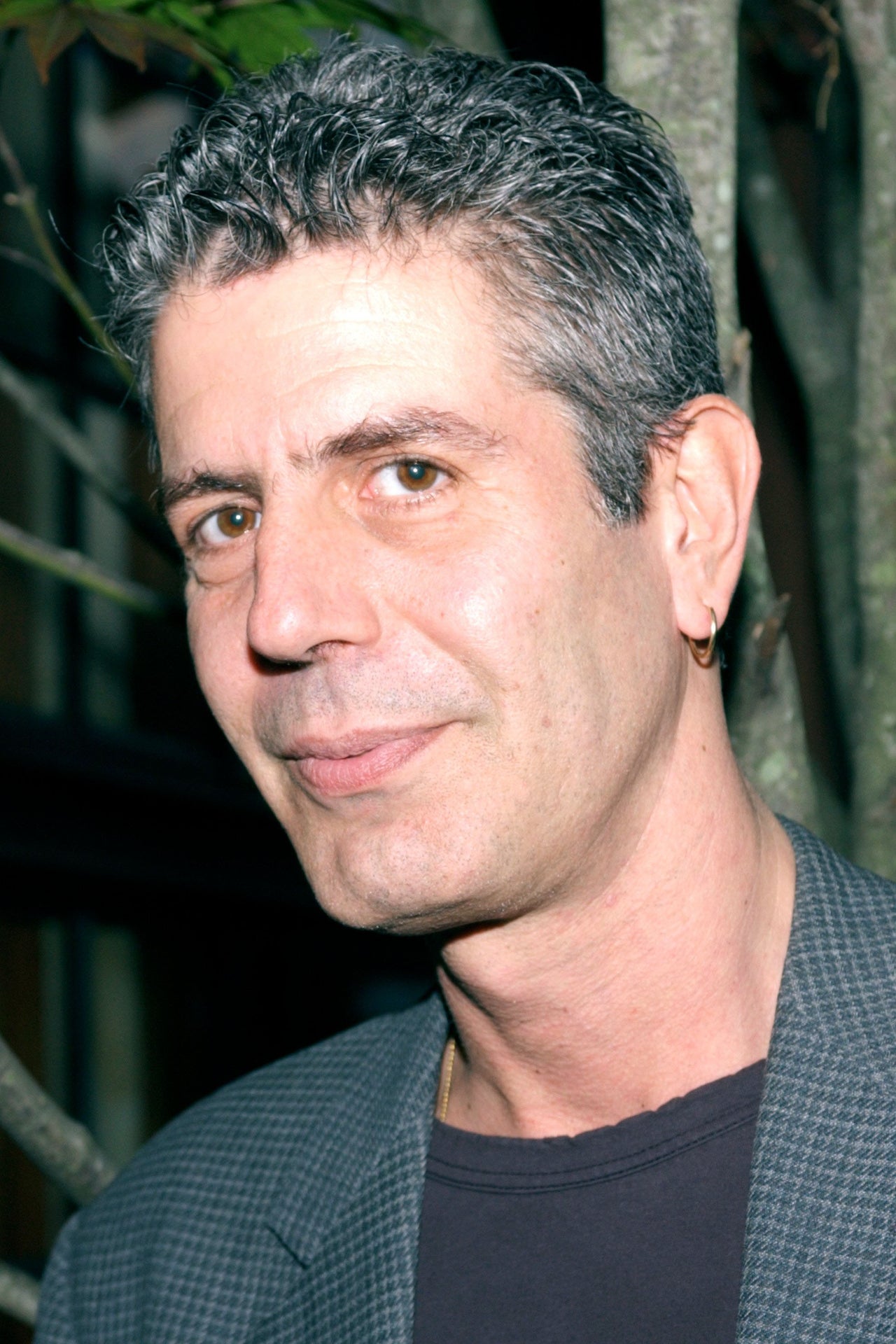
Inspiration: the real Anthony Bourdain in 2002 (Getty)
Still, he seems unsure whether leaving it out completely was the correct choice. “I can’t say it informed what I was doing performance-wise,” he says. “It’s something that I grappled with. And I still kind of think about it.” He remembers shooting the final scenes of the movie, “where we’re ending this story on a hopeful moment, where things look as if they’re gonna be awesome and there’s so much potential…” He trails off. “Obviously we all know that, actually, it was this tragic ending that ultimately happened.”
It led to one of the biggest lessons he took from being inside Bourdain’s head for a few months. “It’s made me look at life in a different way,” he explains. “I can’t let myself get caught up in these highs, because you can be in a great spot one day and then the next day things can seem terrible. It gave me a sort of release that I’ve never had before giving a performance, or being on a set. You don’t know if the movie you’re making could end up being f***ing terrible, even if you have a great time doing it. So I’m just gonna have a good time while I’m here.”
Advertisement
Sessa is at home in New York, surrounded by the spoils of nascent celebrity. He’s wearing a trucker hat from a film he’s just made in Barcelona, where he plays a race car driver. Behind him is a helmet, and a classic Nomex driving suit hanging from a coat rack. “I got to drive these old dirt rally cars and shoot a bunch of guns,” he smiles. The dude is enjoying himself, and three years removed from a Holdovers press cycle defined by his agog expression while sitting on the front row at Hermès shows and speaking to excited journalists, he’s used to the rat race. “Don’t take this the wrong way, but I was more excited about doing a bunch of interviews back then,” he says. “Like, this is sick – people want to talk to me? But now it’s just sorta work.”
He’s kind enough to still indulge questions about his start in the business, if only because he probably knows it’s a bit mad. How it went down is that his years of teen hellraising eventually caught up with him. He was nearly kicked out of school, and felt awful about it. He applied for a scholarship to a Massachusetts boarding school called Deerfield Academy, and remembers holding his hands up to his chequered past in the initial interview.
Like Bourdain, I was constantly lying and masking. I didn’t know what I was doing half the time. But on the other side of that was nirvana
“I led with, ‘I’m a f***-up’, basically,” he says. “I told them, ‘This is what I did. This is the trouble I got into. I almost got kicked out of my last school, but I think I could be a great member of the community.’ That was my pitch. I wanted things to be hard for myself, because I knew I was gonna come out of it being the best possible version of me.” He got in, and struggled. “Like Bourdain, I was constantly lying and masking. I didn’t know what I was doing half the time. But on the other side of that was nirvana.”
And then something crazy happened: the Oscar-winning filmmaker Alexander Payne, of Nebraska, Sideways and Election fame, held an open casting call for The Holdovers, which was using Deerfield Academy as a shooting location. Payne needed somebody who could play the young, moody foil to Paul Giamatti’s irascible classics teacher, and Sessa fit the bill. It helped that he seemed a bit out of time, too – like Tony, The Holdovers is set in the Seventies. “Even before I started acting, I really romanticised that time period,” he says. “I mean, I’ve had sideburns since I was in high school.”
Does he feel older than his years? “Not really, although people definitely look at me like I’m someone from the Seventies. People say my face looks like I’m from the Seventies; my hair. I just find [that era] exciting. And doing a movie set then is like the closest you can get to time travelling.”
Sessa enrolled in acting school at Carnegie Mellon University after he finished filming The Holdovers, but didn’t tell any of his classmates that he’d spent the past winter working with stars. “I didn’t really know how to explain it,” he says. “I also didn’t know if I was gonna be terrible in it.” He chuckles. “Eventually it started coming out. I’d get messages from my classmates being, like, ‘Dude, I saw you in a f***ing movie trailer – what the f***?!’.”
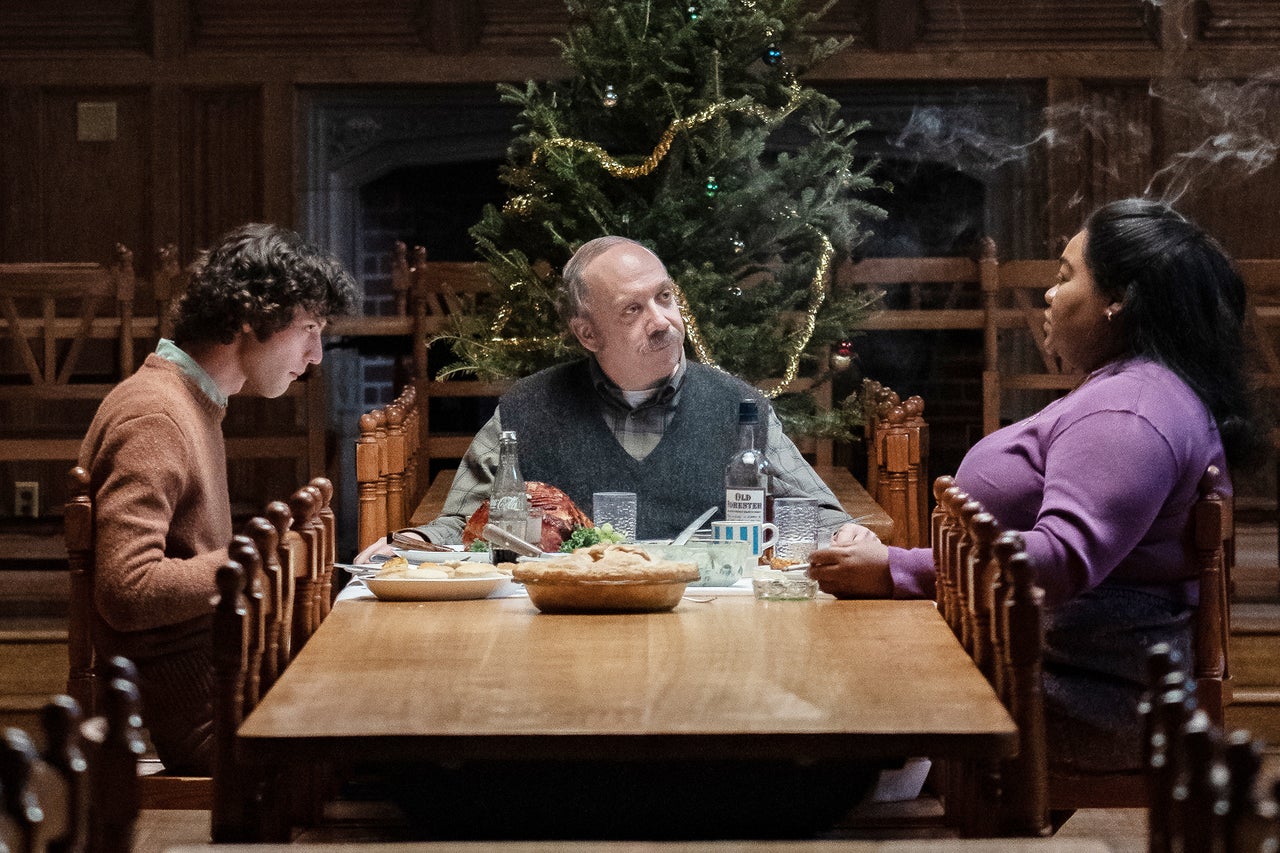
Sessa, Paul Giamatti and Da’Vine Joy Randolph in ‘The Holdovers’ (Universal)
Time moved quickly after that. The Holdovers was a critical and commercial smash, earning five Oscar nominations and winning one for Sessa’s co-star Da’Vine Joy Randolph. Sessa was nominated for a Bafta and won the Breakthrough Performance prize at the Independent Spirit Awards. He starred alongside Michelle Pfeiffer in last year’s festive comedy Oh. What. Fun., and played a young illusionist in the blockbuster Now You See Me: Now You Don’t. He ended up dropping out of Carnegie Mellon, and seems to surprise himself when he realises that this summer would’ve been his graduation.
I tell Sessa that The Holdovers is probably the closest Hollywood has come to making a perennial Christmas classic in recent years – do he and his family revisit it come the festive season? “Not at all,” he laughs. “That’d be kind of weird, wouldn’t it?” He doesn’t plan to watch it again for a very long time. “Like when I’m older or have kids one day, then I might show them what I looked like as my younger self.”
Once he gets old enough to be nostalgic, in other words – and his age finally catches up to that face of his.
‘Tony’ is in cinemas
Source: “AOL Entertainment”
