


Elon Musk’s Cybertruck is dead. Experts debate why
Elon Musk’s Cybertruck is dead. Experts debate why

J.R. Duren Mon, November 9, 2026 at 6:57 PM UTC
16
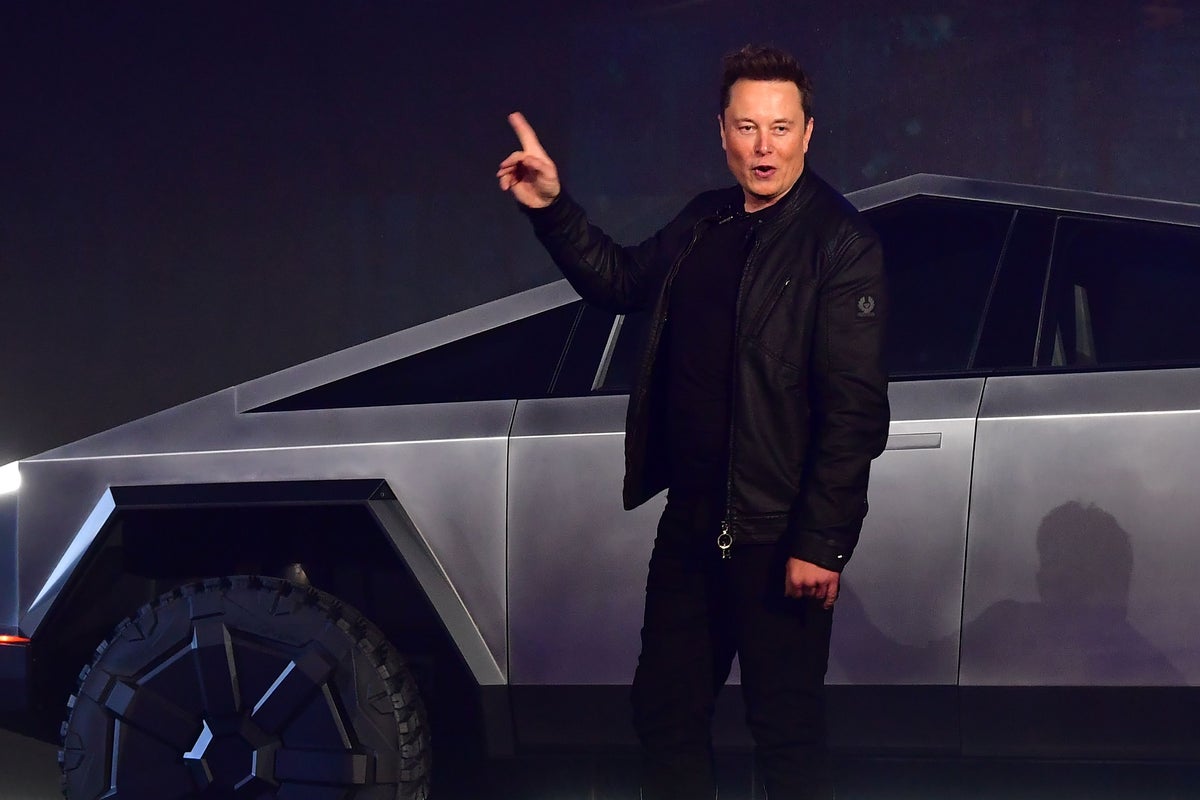
Trillionaire entrepreneur and Tesla CEO Elon Musk called the company’s Cybertruck “our best product ever” when the vehicle was announced in 2019.
Critics, on the other hand, said the truck was “ugly as sin,” “impractical,” and “unloved, unwanted, and utterly absurd.”
Costing around $82,500 for a base model, the electric vehicle is Tesla’s take on a pickup with a six-foot-long truck bed and a 7,500-pound towing capacity. The truck had a waitlist of nearly two million people in July 2023.
Last week Musk announced that Tesla would stop building the truck in 2027, to free up production capacity for its self-driving Cybercab robotaxi. Tesla says it will fill all back-orders before production ends.
The Cybertruck’s demise left many experts to conclude the angular EV had been a failure for Tesla. “The Cybertruck was marketed as revolutionary, but really it lacked practicality,” said Matt Clamp, an automotive specialist at site Scrap Car Comparison. “Yes, it attracts attention and generates headlines, but [while] that's good for marketing, it lacks the practical appeal that’s actually needed to replace traditional pickups.”
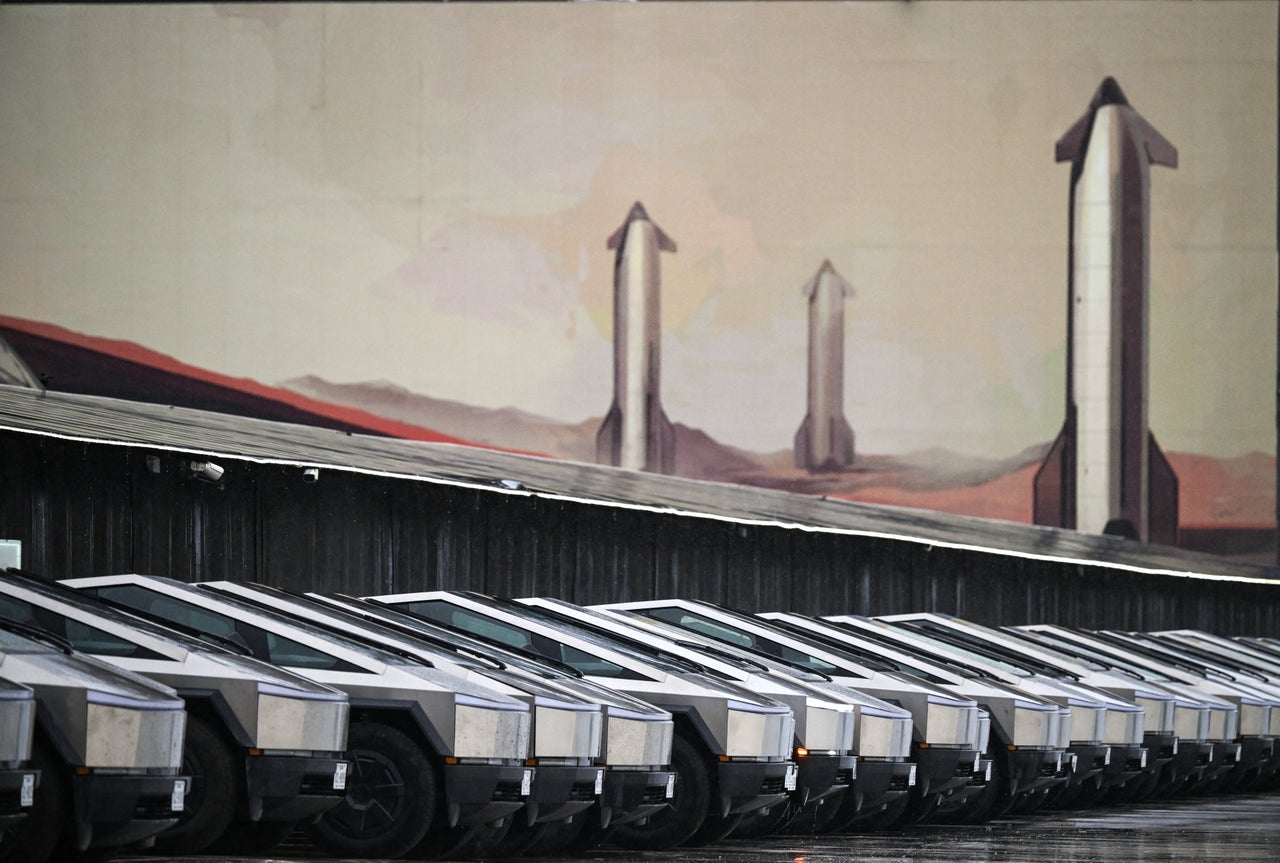
This past week, Tesla CEO Elon Musk announced the company would end Cybertruck production in 2027, the demise of a vehicle that was a lightning rod for public opinion (AFP/Getty)
The average truck-owner didn’t see the Cybertruck as a legitimate choice for a pickup, Spencer Penn, a former Tesla engineering manager who oversaw parts of the Cybertruck’s production, told The Independent in an email.
“Traditional truck buyers seem to have been concerned with things like towing range, charging availability, and weight, and real truck users are more focused on utility, and I don’t think the Cybertruck really gave them that,” Penn said.
Broken promises
Experts say other aspects of Cybertruck’s development and launch failed, too. Initially, Tesla said the truck would cost less than $40,000, but its base price was $61,000 when it became available in 2023, financial firm Capital One reported.
The truck’s range was also a major issue. Musk promised the Cybertruck would drive 500 miles on one charge but its max range was ultimately 362 miles, auto marketplace and data site KBB reported in 2025.
Musk then said Tesla would offer a range-extending battery but quietly cancelled the project in 2025 and refunded buyers who already paid for it, including Ross Blankenship, founder of U.S. EV charging directory ChargingNear.me.
“Tesla dropped the range-extender it promised early buyers, which frustrated owners like me who paid for that roadmap,” Blankenship told The Independent in an email.
The truck was plagued with issues, too. There were 11 recalls and reports of a trunk door with sensors so poor that YouTubers made videos of it clamping down on and slicing vegetables. “Zero regard for your body,” one creator noted.
Advertisement
Musk took to X.com Sunday to clear up why the company chose to end Cybertruck production.
"This is not a case of Cybertruck being unprofitable, as has been misreported by legacy media, but rather that the opportunity cost of the complexity of Cybertruck is vastly outweighed by the value of incremental Cybercab production,” he wrote.
Marketing success
Despite all the drawbacks that made the truck infamous, marketers say the truck wasn’t a flop when it launched.
“That’s what makes it interesting,” Zain Mahmud, chief growth officer at digital marketing agency Arbor Growth, said in an email to The Independent. “There were reportedly over a million reservations and the whole internet was talking about it. That’s the dream for any launch.”
But the vehicle failed to deliver on what Musk promised, Mahmud said.
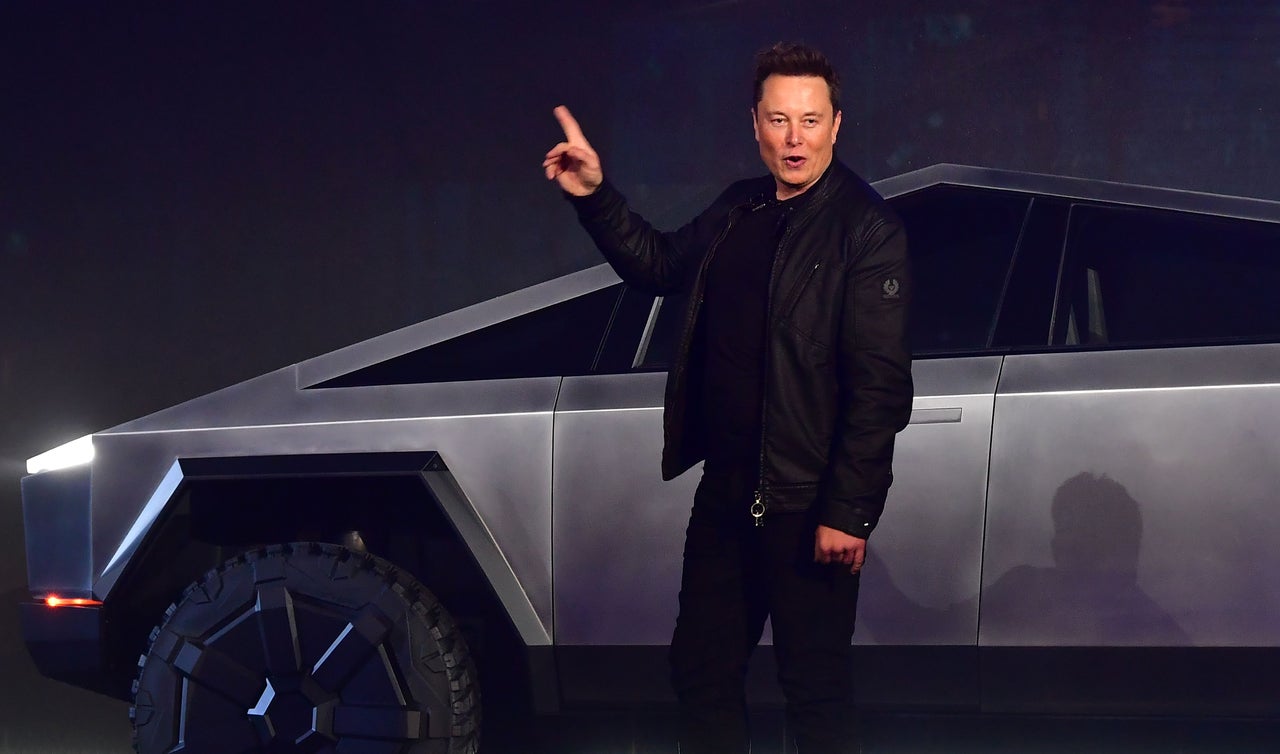
Tesla CEO Elon Musk made several promises about the Cybertruck’s price and range that his company failed to deliver when the vehicle became available in 2023 (AFP/Getty)
“It wasn’t doomed in 2019,” he said. “It was doomed when it launched as an oddly shaped shadow of what was promised.”
Other experts say the company failed because it didn’t convert people wanting the truck into people owning the truck. Mike Fahey, CEO of PR firm Fahey Communications, concluded the Cybertruck was made to break the internet - but failed to break into the American garage.
“Tesla created a truck that made an unforgettable first impression,” he told The Independent in an email. “Unfortunately, making an impression and making a sale are two entirely different things.”
The new DeLorean
The Cybertruck’s hype and impracticality reminded several marketing experts of another oddly-shaped vehicle with a stainless steel finish - the DeLorean, a futuristic car launched in 1981 that quickly flamed out before a pop-culture resurgence.
“The Cybertruck is the DeLorean of the social media generation,” Fahey said. “Everybody recognizes it, everybody has an opinion about it, but recognition alone doesn't keep an assembly line running.”
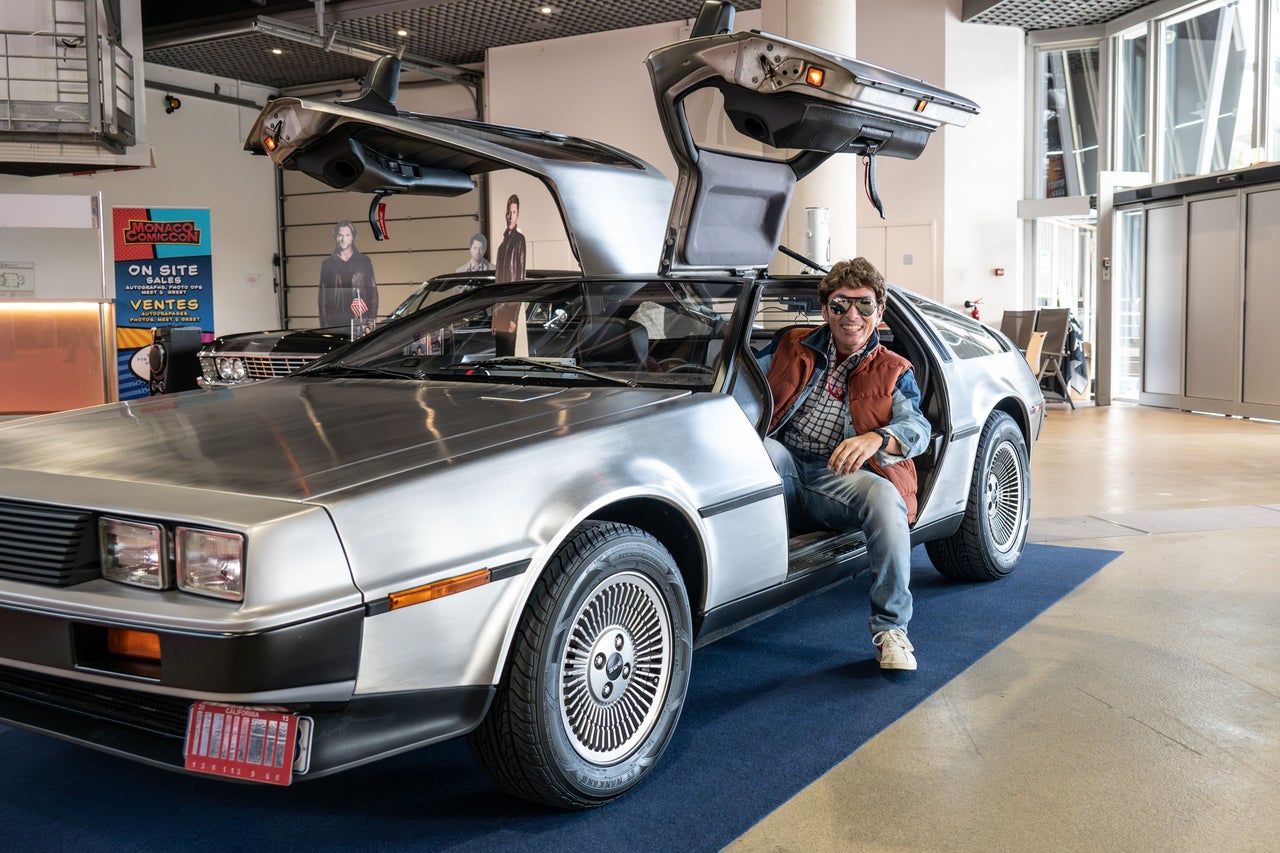
Marketing experts liken the Cybertruck to the DeLorean, an early 80s car with a futuristic design and stainless steel body similar to Tesla’s pickup (AFP/Getty)
But while the DeLorean later shot to stardom when it appeared as a time machine in the Back to the Future franchise, no such silver-salvation has arrived for the Cybertruck…yet.
“The DeLorean got rescued by Back to the Future and became a cult hero in the automotive world,” Mahmud said. “I don’t know about a Hollywood rescue coming for the Cybertruck.”
Source: “AOL Money”
